



























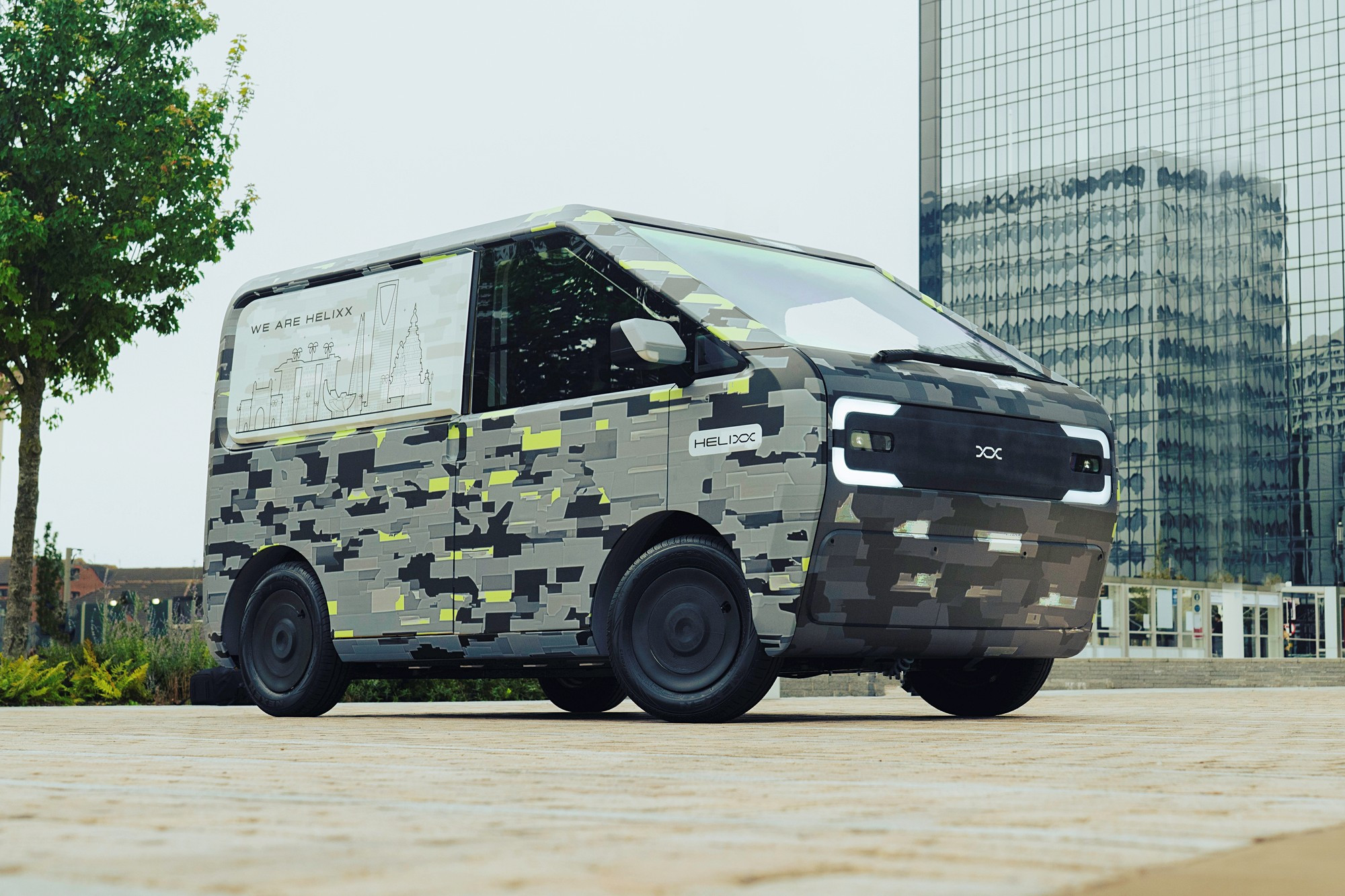

British startup Helixx Industries Ltd has presented a working prototype of an electric van with a very low cost of production and ownership, it should hit the market next
The Helixx company was founded by British entrepreneur Steve Pegg. He wants to become a global player in the very promising segment of light urban commercial electric vehicles and has developed an entire ecosystem for his future products — a family of subcompact electric vehicles consisting of a van Cargo, Truck, Ride taxi and its open version Tuk.
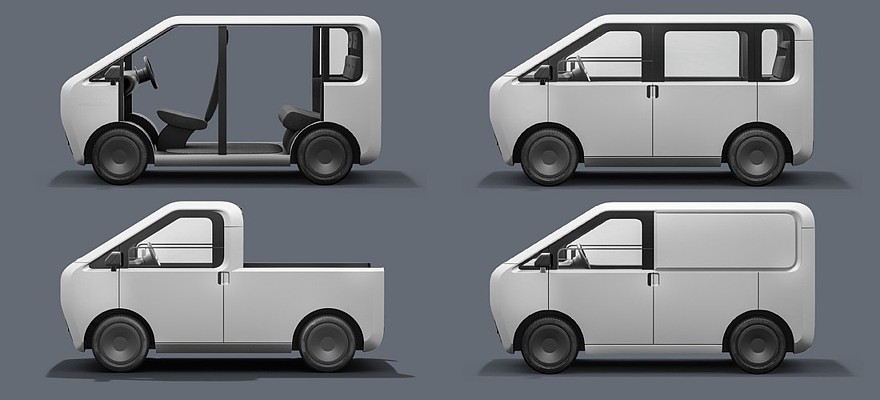
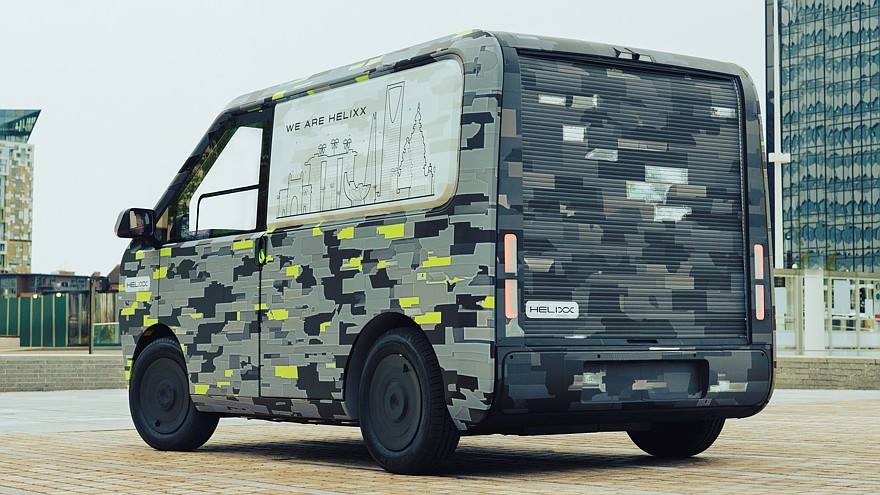
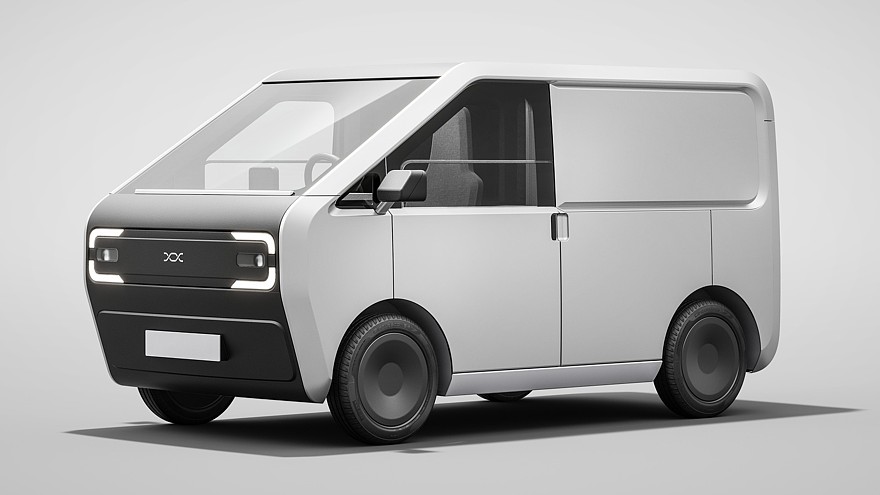
Today a working prototype of the basic Helixx Cargo van has been presented, while other versions so far exist only in the form of computer renderings. The overall length of the van is 3.2 m, width is 1.5 m, cargo compartment capacity is 2100 l, tailgate opening width is 110 cm, useful cargo compartment length is 140 cm, load capacity is 500 kg.
The Helixx Cargo body consists of only five structural modules, fastened together using latches and glue, the outer panels are made of recycled plastic, and the chassis is made of aluminum. Helixx Cargo does not require welding or painting shops to produce; most parts are made by 3D printing in modular microfactories called Helixx Mobility Hubs. The company claims it can build one such turnkey factory in just 180 days, from site selection to finished vans coming out of the gate.
 1/5
1/5 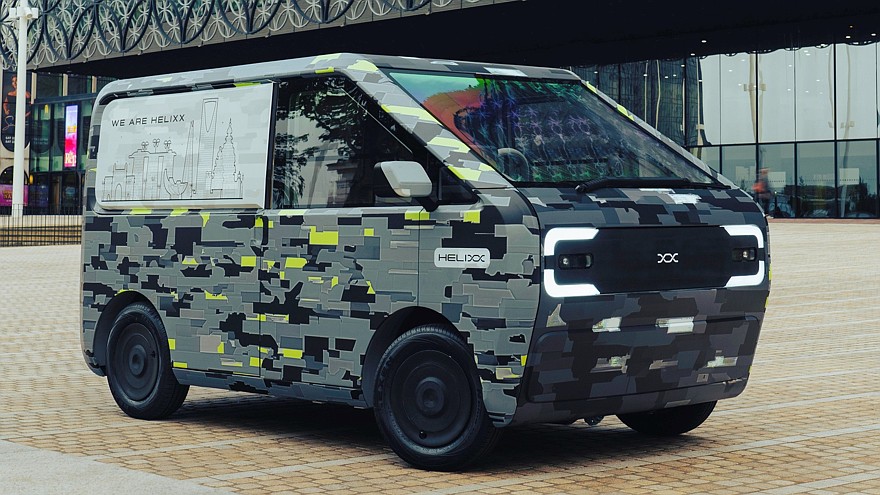 2/5
2/5 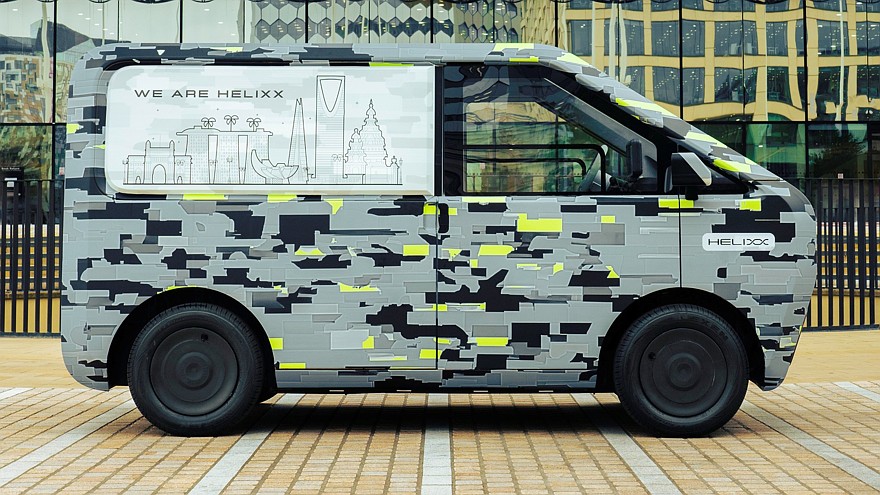 3/5
3/5 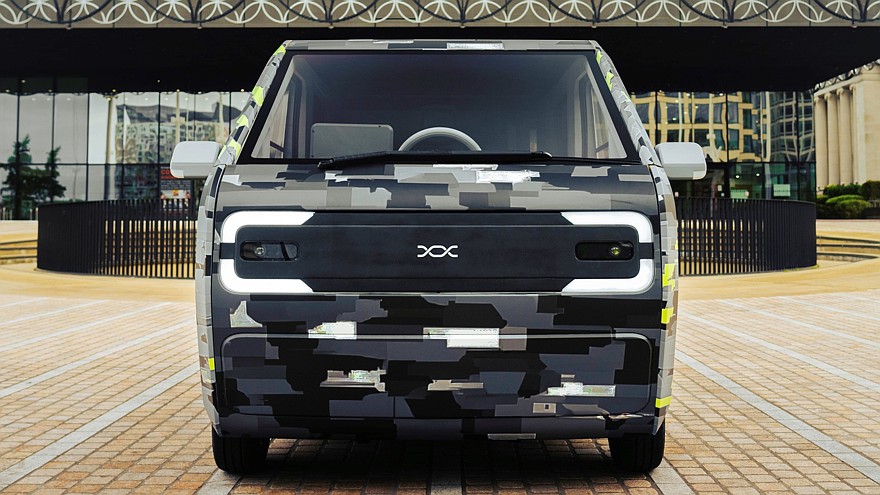 4/5
4/5 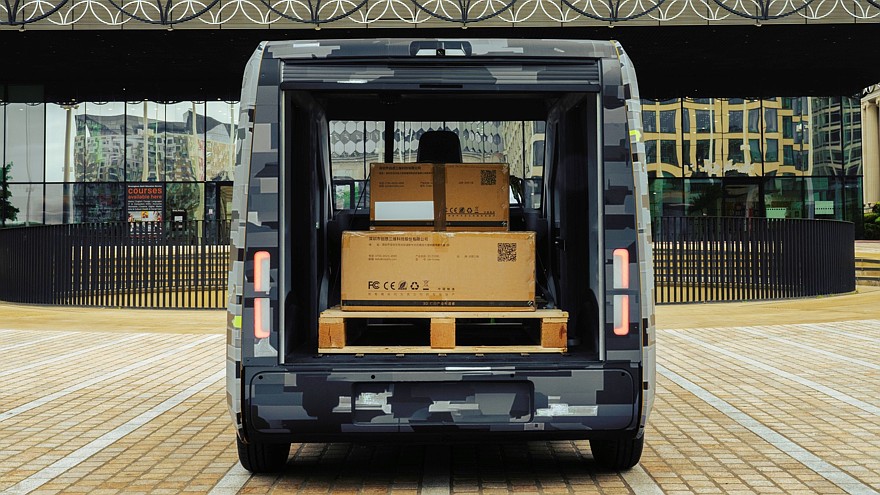 5/5
5/5
The very concept of such microfactories is not new; one of its adherents is, for example, another British startup, Arrival, but it stalled due to lack of funding, while Helixx plans to begin production of its vans next year. The pilot batch will be manufactured in the UK, mass production will be launched in one of the countries of Southeast Asia, further plans include India, the Middle East, Africa and Latin America — the open version of the Tuk taxi is aimed specifically at countries with warm climates.
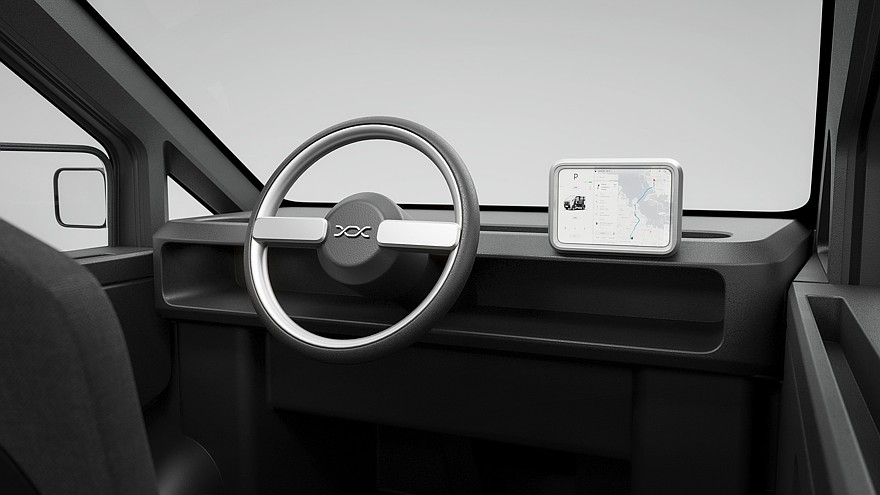
Helixx isn't saying anything about the van's powertrain or battery yet, but it promises an ownership cost of $0.25 per hour for those who subscribe to the vehicle. The driver of the Helixx Cargo sits in the center, which eliminates the need to adapt the car for countries with right- and left-hand traffic.
 1/4
1/4 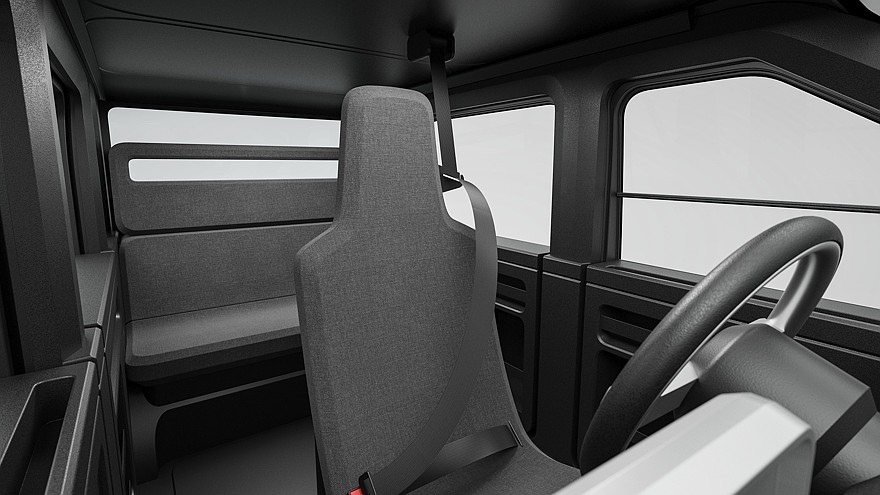 2/4
2/4 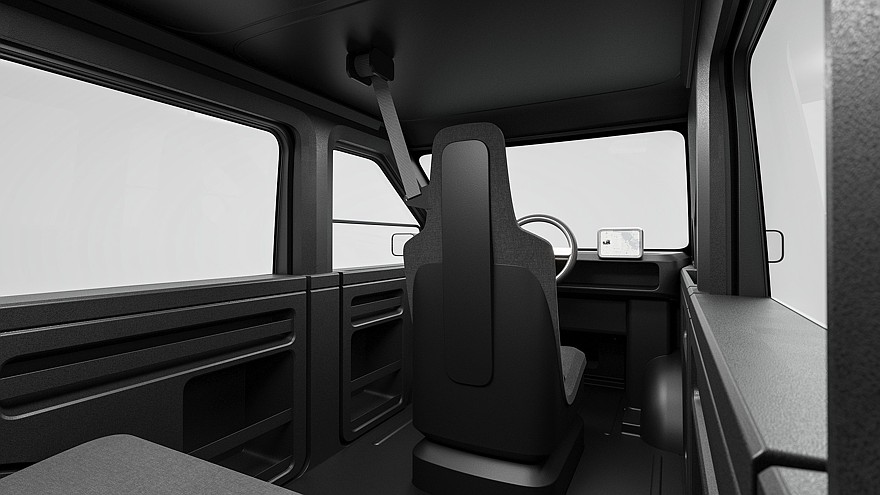 3/4
3/4  4/4
4/4
There is no interior design in Helixx Cargo as such; it is not even clear whether there is a stove or at least a blower. The drawer-empty front panel has only a single multifunctional touchscreen. Ride and Tuk taxis have a three-seater flat passenger sofa moved to the rear wall of the body, resulting in 108 cm of legroom — it can be partially used for luggage, the space to the left and right of the driver can also be filled with bags.
 1/5
1/5  2/5
2/5  3/5
3/5  4/5
4/5 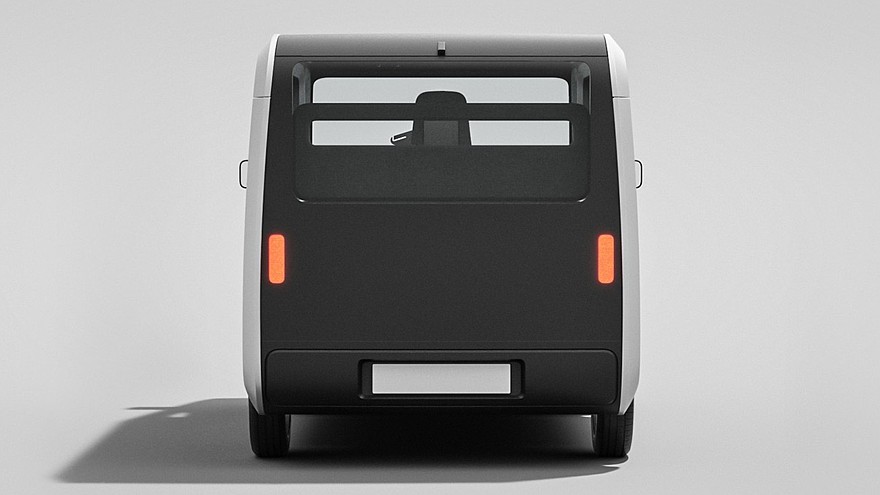 5/5
5/5
Siemens is responsible for the electronic filling of Helixx Cargo — we are talking primarily about the fleet management and logistics system, without which it makes no sense to enter the LCV market today.
Whether the Helixx company will “take off” or not, time will tell — we will only note that it is becoming increasingly difficult for startups to find funding against the backdrop of rising geopolitical tensions, but the Helixx website doesn’t even have a section for investors yet, which means there is still money.















Свежие комментарии