






























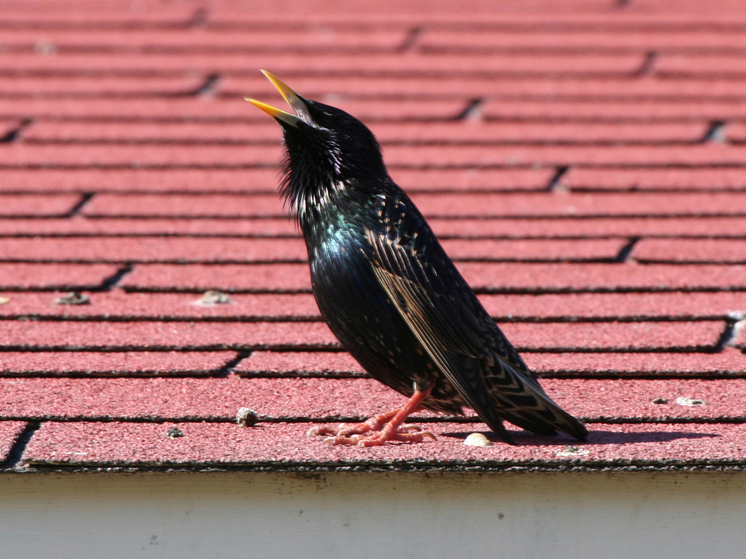
Feathered vocalism has been linked to the evolution of dinosaurs
The origin of the bird vocal organ, the syrinx, remained a mystery until recently. Researchers at the University of Texas decided to uncover this secret by closely studying the vocal cords of hummingbirds and ostriches, revealing surprising connections with the evolution of vocal organs in reptiles and mammals, including humans.

Recent studies have revealed a genetic link between the mammalian larynx and the avian syrinx, illustrating the evolution of these vocal organs across animal lineages.
New analyzes show that the syrinx and larynx share a common genetic program, a striking example of «deep homology» » According to Professor Julia Clarke, the discovery is comparable to the transition from fins to limbs, highlighting an entirely new organ with ancient common functions.
Research that began in 2013 with the discovery of a fossilized syrinx in Antarctica has revealed new details about the organ's structure using computed tomography. Clark and her team were able to compare the fossilized syrinx with those of modern birds, filling a gap in the scientific literature.
Studies conducted on ostriches showed that males produce more varied sounds than females, despite the similar structure of the syrinx
“These discoveries, made on a farm in Texas, demonstrate how birds' behavior influences their vocal repertoire,” says Julia Clark.
As for hummingbirds, their vocal cords have a similar structure to the vocal cords of swifts and nightjars, suggesting that the common ancestor of these birds already had complex vocal cords. This could promote vocal development in hummingbirds that learn complex songs learned from their peers.
The study, conducted in collaboration with Harvard biologist Clifford Tabin, found that the same genes regulate development larynx and nasopharynx, emphasizing similar cellular structure and vibrational properties. This in-depth study of genetic expression in 14 bird species shows that the common ancestor of modern birds possessed a hearing apparatus with two independent sound sources.
Despite significant progress, the date of the appearance of the syrinx and its presence in non-avian dinosaurs remain unknown. To better understand how dinosaurs made sounds, scientists continue to study the vocalizations of modern birds and their reptile relatives.


























Свежие комментарии