

























MOSCOW, July 7, Zakhar Andreev. “Whipping” the insides of victims and damaging laboratory equipment — a microscopic wasp has attracted the attention of Russian scientists. Read about the unusual properties of an insect that can benefit people.
Not everyone will be lucky
A research group from Saratov State University named after Chernyshevsky has been studying parasites that form so-called galls—harmful growths on leaves and other parts of plants—for many years. They can be created by different species — from mushrooms to insects. Scientists were interested in the gall fly (Aulacidea hieracii), which builds a gall on the mighty hawkweed (Hieracium x robustum).
A larva develops inside the new growth. In September, it goes into hibernation — hibernation. The period of such sleep is called diapause. Biologists decided to find out what was happening inside the cocoon at this time. An article with the results of the study, prepared jointly with colleagues from Lomonosov Moscow State University, was published in The European Physical Journal Special Topics.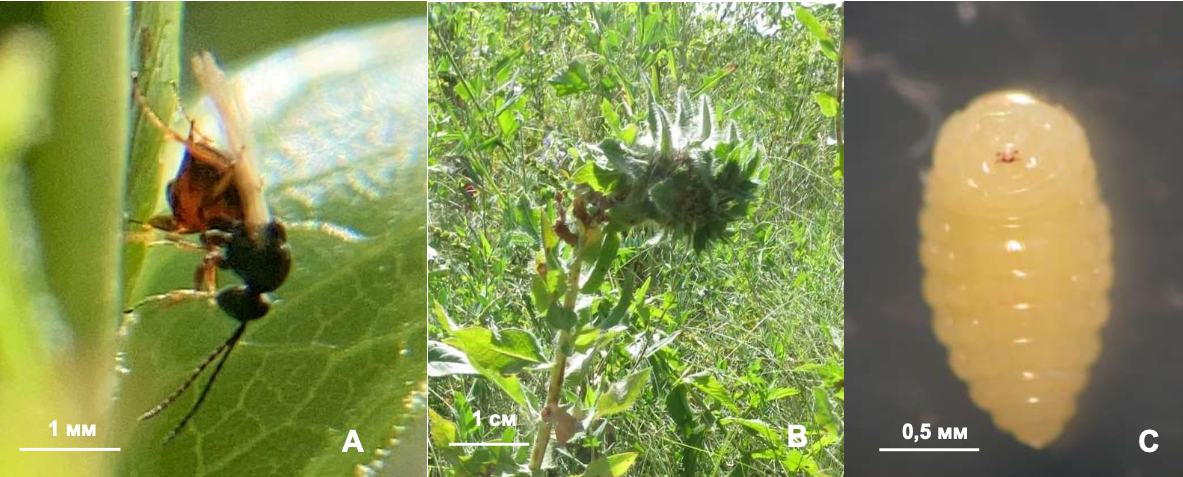
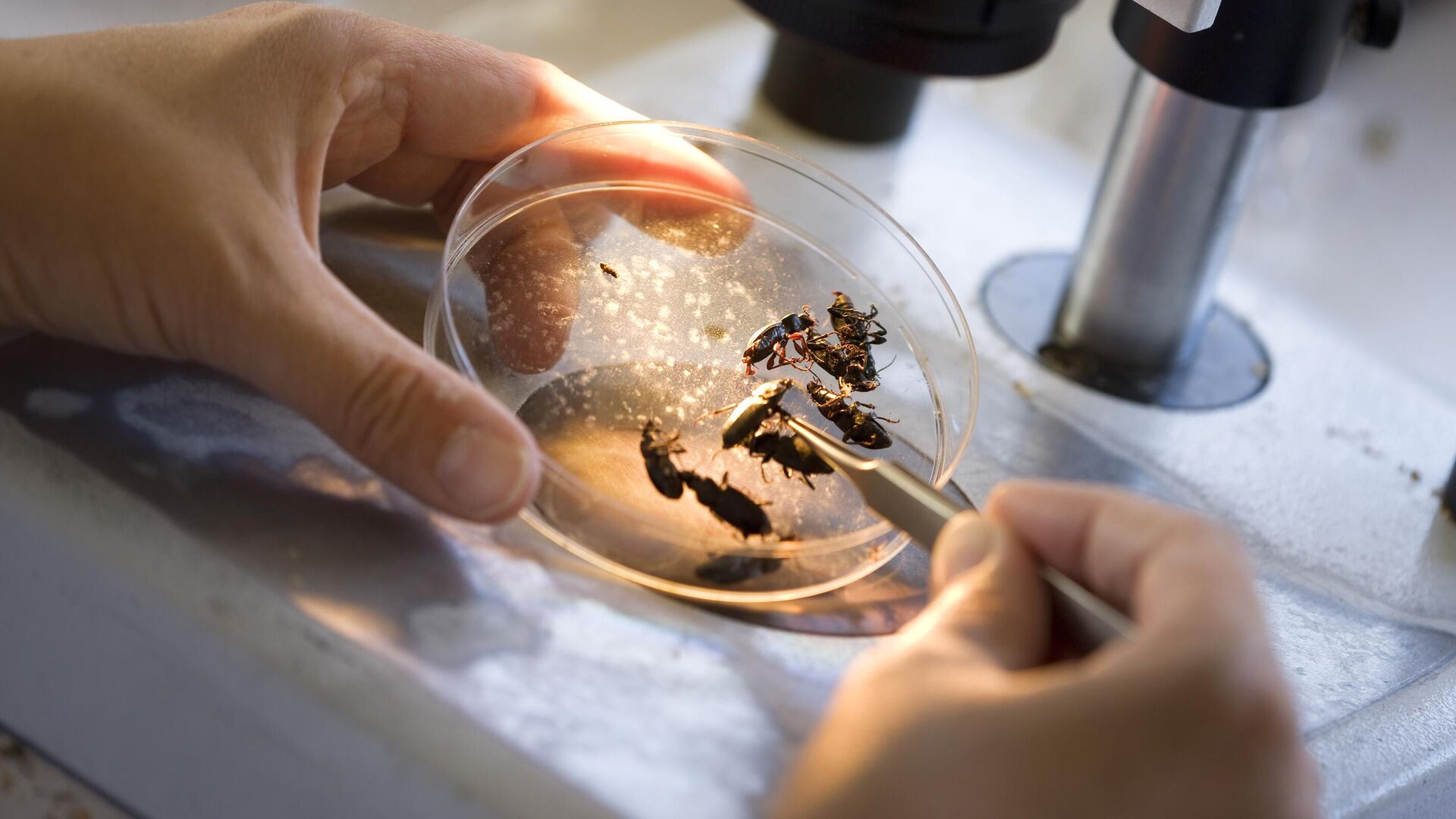
The galls of the gallworm were “enlightened” using Raman spectroscopy: a special microscope was used, which, using a nanolaser, allows one to observe the biochemistry in the body at the molecular level. It turned out that even during hibernation, active processes continue—vital carotenoids are synthesized and their concentration increases. That is, the larvae are gaining strength and preparing for the next stage of development. However, not everyone is destined to hatch.
Beat, but do not mix
Diapause, during which animals are completely immobilized, makes them an easy target for other species. “For every parasite there is a parasite,” jokes one of the authors of the study, head of the Department of Animal Morphology and Ecology of SSU Vasily Anikin. Unexpectedly, scientists' attention has been drawn to the microscopic wasp Eupelmus messene, which attacks gallworm larvae in September or October.
Although the species is quite common, due to its size it has not often attracted the attention of researchers. Saratov biologists took a closer look at this superparasite and noticed a number of oddities.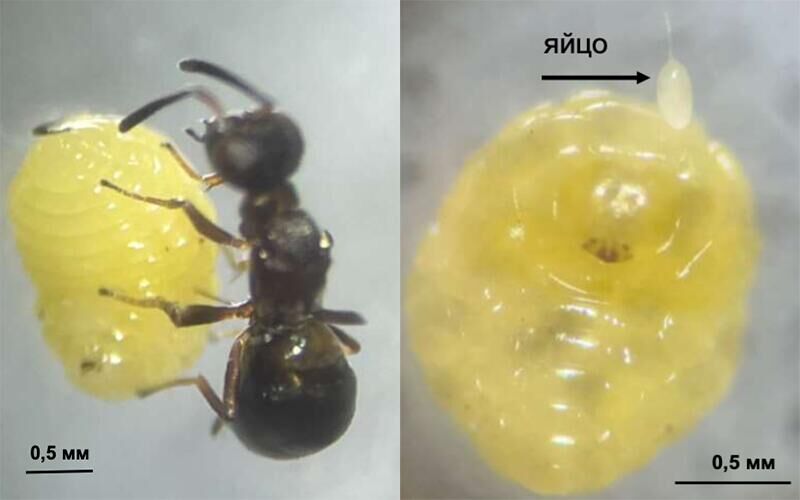
Wasps have an ovipositor — a special tube with which they can pierce plants or, as in this case, gall cocoons. It turns out that this is such an effective tool that E. messene can drill a hole in the wall of a polystyrene Petri dish with it. In the lab, several insects made a hole in the vessel, laying eggs on the other side.
In nature, wasps use the ovipositor as a “shaker.” Having pierced the gall of the gallworm, the insect “beats” its contents with rotational movements for six to ten minutes, and lays the egg on the surface. Another surprise awaited the scientists: Raman spectroscopy showed signs of an as yet unidentified substance inside the attacked gall, which the wasp probably uses as a preservative. This «baby food» is known to last for several months.
“What kind of substance this is, what its properties and composition are, whether it is toxic to humans, we have yet to find out,” says Anikin.
Unobvious benefits
By According to the scientist, fundamental research on microscopic parasites can be of quite practical importance. True, it is not yet clear which one exactly. All that remains is to fantasize. For example, a thin, flexible and mobile ovipositor can serve as a prototype for industrial or medical technologies.
In addition, a deeper understanding of the biology of species and the mechanisms of their survival will in the future make it possible to solve environmental problems. For example, creating superparasites to combat ordinary parasites.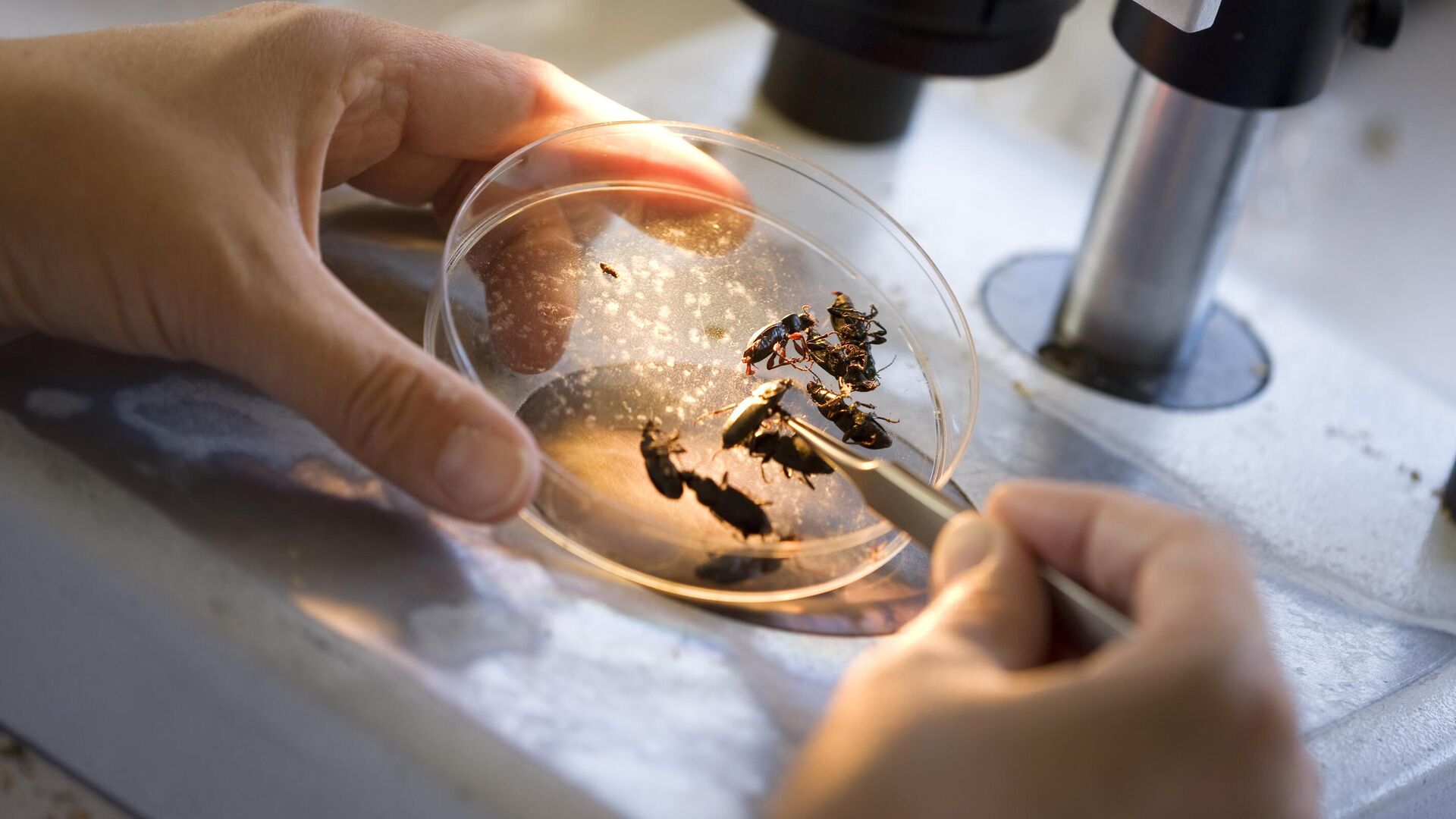
«Many invaders that penetrate our territories do not have natural enemies, but there are similar species that can be reconfigured so that they attack new pests. To do this, you need to understand what becomes the “trigger mechanism,” the scientist explains.
With climate change, established ecosystems are increasingly threatened by destabilization: some elements fall out, new ones appear. What the change in environment will lead to is no one’s guess. knows, but there are not many reasons for optimism. Perhaps the answer to these challenges can only be seen through a microscope.














Свежие комментарии