
























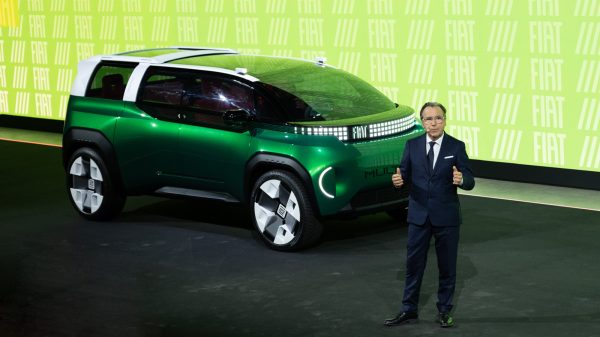

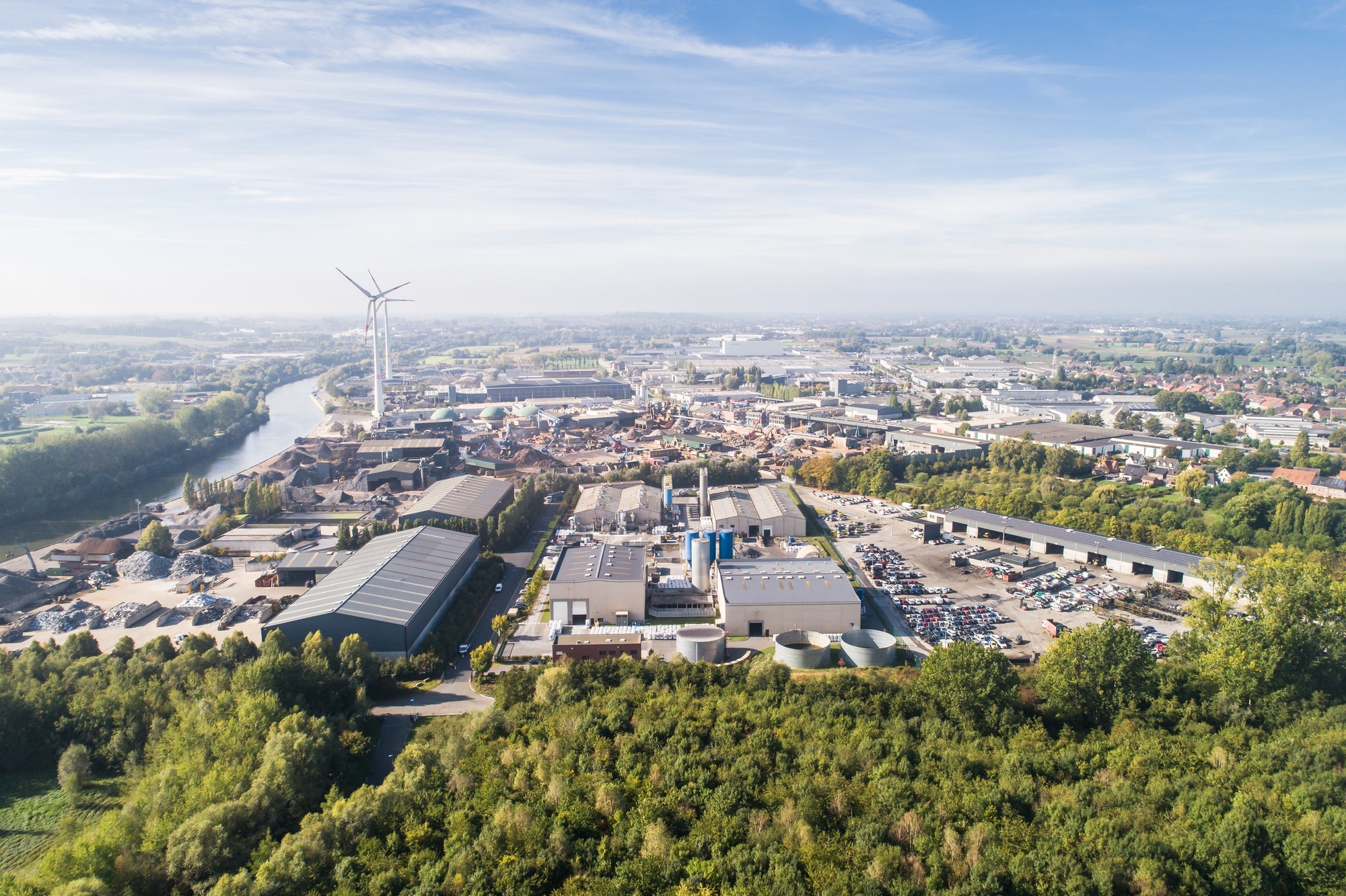

Stellantis Corporation and the Belgian company Galloo, specializing in the processing of metals and other materials, have announced their intention to create a joint venture for the complex processing of end-of-life its term of cars, it should earn at the end of this year. The goal is to use natural resources as economically as possible and extend the life cycle of cars.
The fact that Europe is obsessed with ecology has long been known, while not everyone shares the very dubious theory of global warming from a scientific point of view and calls for the rapid eradication of anthropogenic CO2 emissions. Nevertheless, the environmental discourse has a lot of objectively useful manifestations and consequences: for example, European society is rapidly getting rid of the practice of consuming disposable things in all areas of the national economy, from the simplest dishes and clothes to complex technical devices, including cars.
Throwing away things because they are outdated or tired is now categorically discouraged by society: it is assumed that a cultured person should take care to transfer the thing he does not need to recycling or to people/organizations who need this thing. Moreover, the introduction of things and equipment with a short service life to the market is not welcome, which has baffled many electronics manufacturers — they are just used to the fact that the consumer updates their gadgets every year, that is, regularly replenishes the manufacturer's cash desk.
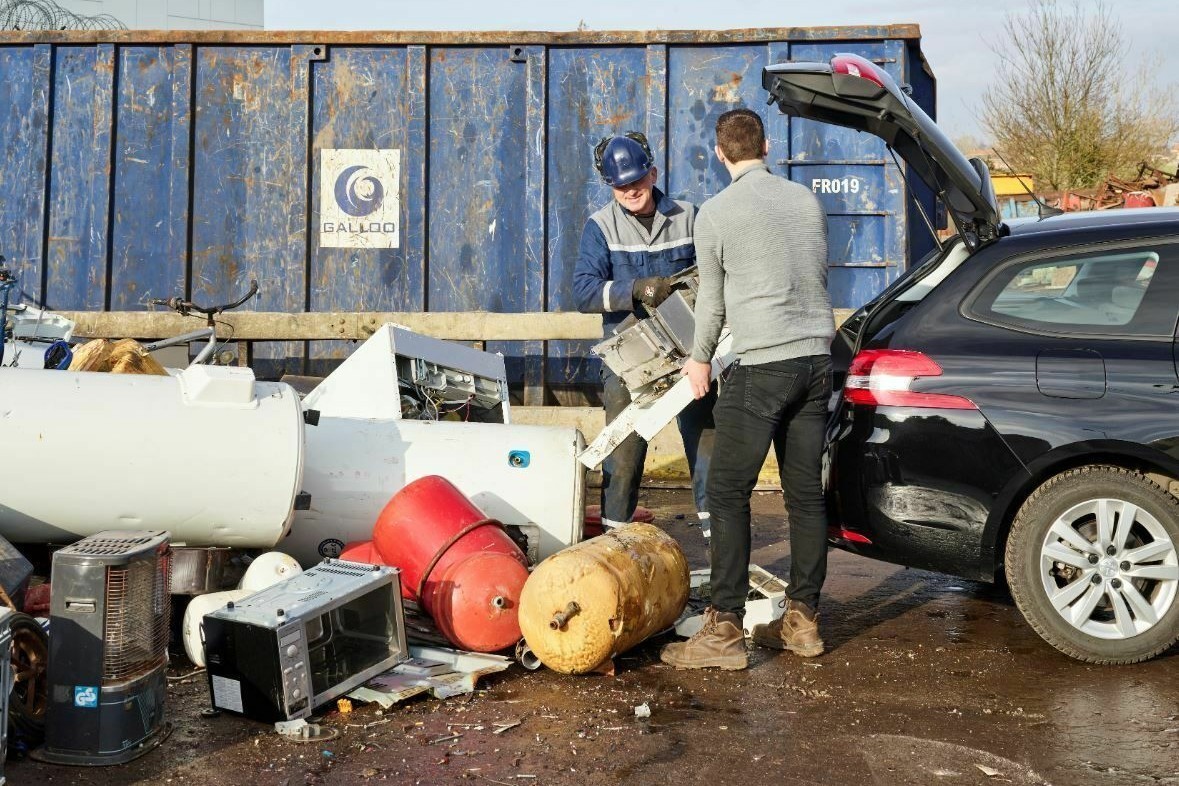
European society is now also making new demands on cars — they say, come on, dear automakers, stop making models whose resource rarely exceeds the warranty period, it's time to return to the old-fashioned practice of producing “cars for centuries”, and even in a modern environmental context , that is, use as many recycled and renewable materials as possible, preferably plant-based.
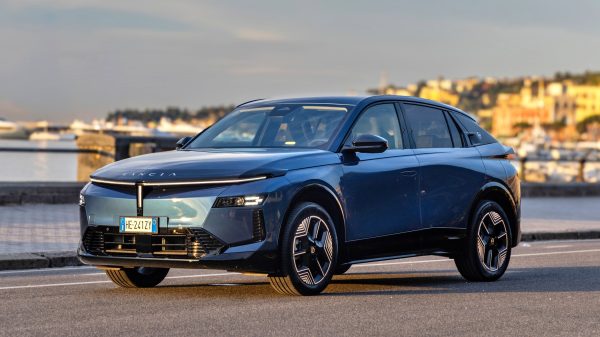
Automakers, of course, are forced to respond. Stellantis Corporation, in particular, earlier this year, through the Peugeot brand, announced that the life cycle of the new generation of electric vehicles will be 20-25 years, and that many parts in them can be replaced as they wear out. By 2030, new Stellantis vehicles must be 40% recycled, and by 2038 the corporation plans to become completely carbon-neutral. />
The new concept of development requires a constant and powerful source of recyclables, so yesterday Stellantis and Galloo announced their intention to create a joint venture for the recycling of end-of-life vehicles, aka ELV (End-of-Life Vehicle). The pilot project is planned to be launched at the end of this year in France, Belgium and Luxembourg, then the whole of Europe and cars of all brands, and not just those owned by Stellantis, will be in the scope of the joint venture's interests. Galloo already has over 40 active subsidiaries in the recycling of ferrous and non-ferrous metals, plastics, electronics and heavy equipment, up to ships, so it should be possible to launch a joint project with Stellantis quite quickly.
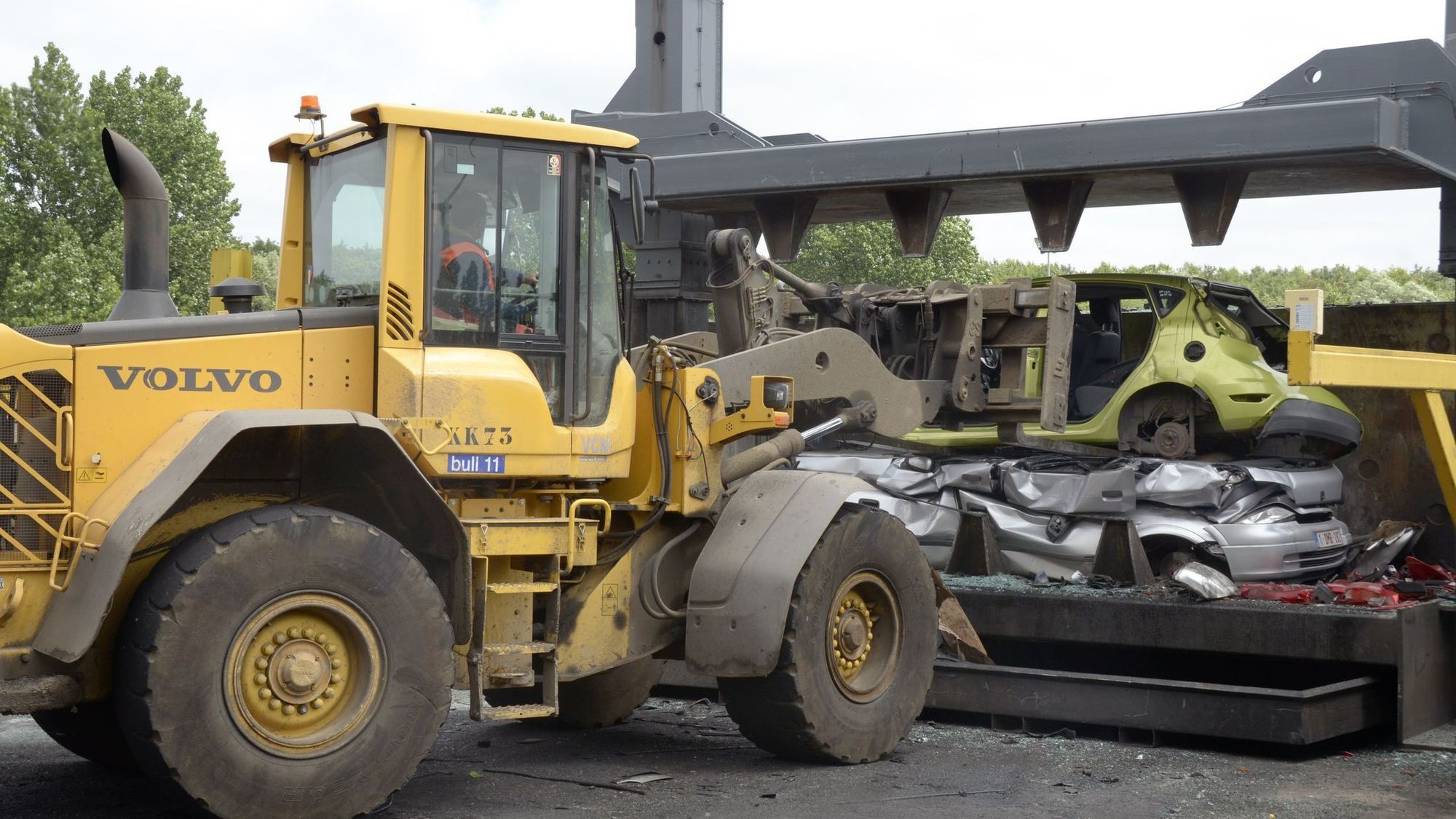
It is assumed that the consumer will hand over the ELV to the collection points, then the car will be completely disassembled: spare parts and parts that can still be used will be sent to the secondary market, the rest will be disposed of/recycled. Trading in processed raw materials will become an important part of Stellantis' business, by 2030 the planned income from this activity should reach 2 billion euros. We just have to wait for the promised «long-playing» machines and see how they prove themselves in practice.

























Свежие комментарии